House Clearance in Leatherhead

Our house clearance in Leatherhead is arranged for homes that need a clear, careful and well-organised removal of unwanted items. We handle partial and full clearances for houses, flats, lofts, garages and outbuildings, with a service shaped around practical access, sorting and responsible disposal. If you need a room cleared before a sale, after a tenancy, during a refurbishment or simply to reclaim usable space, we work methodically so the property can move on with less disruption.
The work can include furniture, general household contents, bagged belongings, white goods, bric-a-brac, mixed bulky items and items that require separate handling. Where a property contains a mixture of reusable and non-reusable goods, we sort as we go so the clearance is handled efficiently and with care. Our approach is straightforward: keep the process clear, remove the stress of dealing with mixed items and leave the property ready for the next step.
We also handle clearances where the contents are spread across several rooms or where access needs to be planned around stairs, narrow entrances or parking limits. If you are comparing options, you can request a quotation and outline the rooms, the item types and the access conditions. That gives a practical basis for arranging the work without overcomplicating the process.
Full and partial house clearance
Not every property needs the same level of work, so we offer both full and partial house clearance depending on what needs to stay and what needs to go. A full clearance is often chosen when a property is being emptied from top to bottom, while a partial clearance is useful when only specific rooms, cupboards or larger items need removal. In both cases, the aim is to work carefully through the contents rather than treat every job as identical.
Clearances can involve single bulky items or an entire collection of furnishings and household goods. We pay attention to what should be separated for reuse, what needs recycling and what should be removed as general waste. That matters because a well-planned clearance is usually more efficient than simply lifting everything in one sweep, especially where the property contains mixed materials, dismantled pieces or items stored in difficult places.
When you are deciding how much help you need, it can be useful to think in terms of zones rather than the whole house at once. The following list shows the sort of areas often covered:
- Living rooms, dining rooms and bedrooms
- Lofts, cupboards and under-stair spaces
- Kitchens, utility rooms and storage rooms
- Garages, sheds and indoor storage areas
Rooms, furniture and larger household items
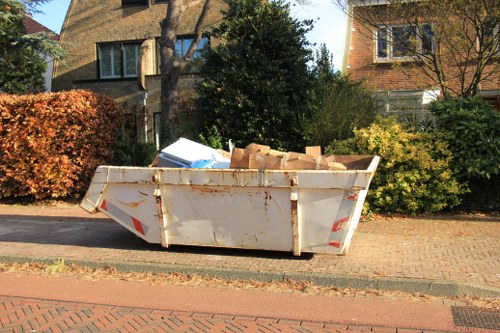
Furniture clearance is often part of a house clearance, but it can also be requested on its own when the main need is to remove larger pieces safely. Sofas, wardrobes, tables, beds, cabinets and similar items can be awkward to move through tight halls or stairs, so it helps to plan the route before the work begins. We remove items in a way that respects the property and the surrounding access, rather than forcing a rushed approach.
Some households need a mixture of furniture removal and general clearance because the rooms contain both heavy pieces and smaller household items. In those situations, it is usually best to deal with the larger pieces first and then work through the remaining contents in an orderly sequence. That reduces the risk of obstruction and makes it easier to identify what can be reused, what may be suitable for recycling and what should be taken away as waste.
If you are preparing for a clearance, it helps to gather a simple picture of the contents and the spaces involved. Take note of the rooms that need attention, any unusually large items and any access restrictions such as limited parking or stairs. You do not need to overprepare, but a clear description usually makes the quotation stage more accurate and keeps the job focused on the right tasks.
Lofts, garages and other storage spaces
Storage areas often hold more than people expect, which is why loft clearance and garage clearance are common parts of the service. These spaces can contain mixed household items, broken furnishings, archive boxes, old tools, sports equipment and long-forgotten belongings that need sorting before removal. Because access is often narrower or more awkward than in main rooms, we plan these clearances carefully and keep the process controlled.
Garage spaces can be especially varied, ranging from a simple store for bikes and tools to a place where several categories of household items have been left over time. Loft spaces may contain insulation obstacles, awkward boarding or low headroom, so safety and method matter. We work with those practical limitations in mind and avoid treating all storage spaces as though they are the same type of job.
Where the contents are a mixture of keep, move and remove, it can help to mark out what should remain before the clearance begins. That makes the work more efficient and reduces the chance of items being taken away by mistake. Good sorting at the start is often the simplest way to make a storage-area clearance feel manageable.
Flat clearance and access-sensitive jobs
Flat clearance needs a slightly different approach from a traditional house because access, stairs, communal entrances and parking arrangements may all affect the work. We clear flats with the same practical focus as houses, but we plan around the building layout and the route items need to take out of the property. That is especially important where larger pieces need to be carried through shared areas or down several flights of stairs.
A flat may only need a few items removed, or it may require a full clear-out before handover, refurbishment or re-letting. In either case, the main aim is to keep the process orderly and to remove unwanted contents without creating unnecessary disruption. We can handle mixed household items, furniture and general waste from a flat setting where the space and access call for extra care.
When access is limited, details about the building layout are often more useful than a long description. If there is no lift, if parking is tight or if larger items are on upper floors, those points should be part of the quotation discussion. A concise note about the situation helps us plan the clearance properly and makes it easier to schedule the work around the practical conditions of the property.
How we approach sorting, removal and disposal
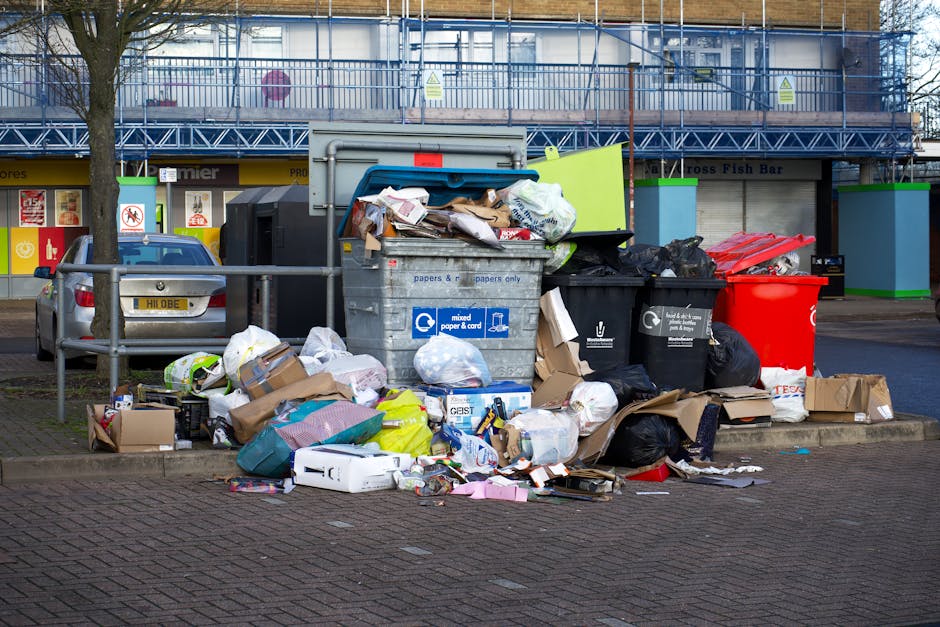
House clearance is not only about taking items away. A good clearance also depends on sorting the contents sensibly, separating reusable pieces where appropriate and making sure the remainder is handled through the correct disposal route. That is why we pay attention to item type as well as item volume. Mixed household contents can include wood, metal, fabric, plastic, glass and electrical items, all of which may need different treatment once removed.
In a typical clearance, we move through the property in a structured way, starting with the most obvious items and then dealing with the smaller pieces and loose contents. This helps prevent clutter from being moved from one room to another without purpose. It also allows us to work through a property in a way that is easier to follow and better suited to homes where items have accumulated in several different areas.
For many people, the main concern is not just the lifting but the fact that the contents need to be dealt with properly afterwards. That is the value of using a clearance service that treats removal and disposal as part of the same process. Once the unwanted items are collected, the next step is to handle them according to their material and condition rather than leaving that decision to the customer.
Pricing factors and quotation details

Clearance pricing usually depends on the amount of material, the type of items involved, the access conditions and the time needed to complete the work. A small room with straightforward access may be very different from a larger property containing bulky furniture, several storage spaces or awkwardly positioned items. Because of that, a clear quotation is best based on the actual scope rather than a guess.
It also matters whether the job is a straightforward removal or a more mixed clearance involving heavy furniture, stacked contents and multiple categories of waste. Properties with difficult access, upper floors or restricted parking may take a different level of planning from ground-floor work. If you can describe the rooms, the item types and any access issues, it becomes easier to shape the quotation to the real job rather than a vague estimate.
There is no need to overcomplicate the enquiry. A short note about what needs clearing, where it is located and whether any items are especially large or heavy is often enough to begin. If you want to move ahead, you can ask for a quotation and provide the basic details needed for an accurate response.
Recycling and responsible handling
Many clearances contain items that should not be treated as one indistinguishable load. Furniture, metals, textiles, wood, plastics and electrical pieces can often be directed differently depending on their condition and material. We aim to approach the job with responsible handling in mind, so the clearance is not just about making space but also about separating items sensibly where that is appropriate.
This is especially relevant when a property includes a wide mix of contents collected over time. Some items may be reusable, some may be suitable for recycling and some may need disposal as general waste. By working through the property carefully, we can reduce unnecessary mixing of materials and keep the process aligned with practical disposal requirements. That is a better fit for real homes than a rushed, one-size-fits-all removal.
Where there are items you want to keep, it helps to set them aside in a clearly separate area before the clearance starts. That avoids confusion and allows the removal work to focus only on what has been agreed. If a particular item is fragile, especially heavy or fixed in place, it is worth mentioning in advance so the clearance plan can account for it properly.
About Leatherhead
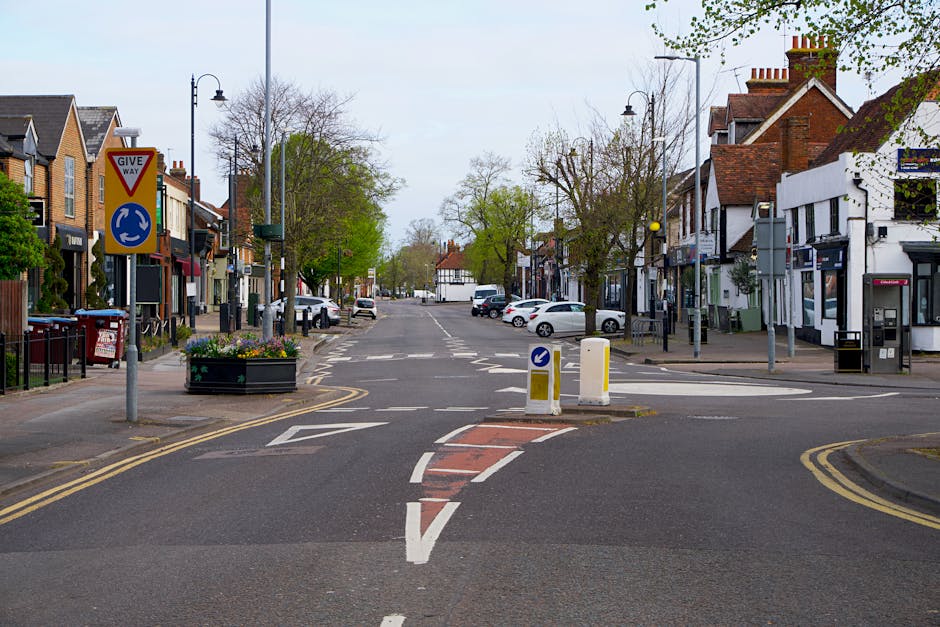
Leatherhead is a town in Surrey, situated on the River Mole at the edge of the North Downs. The river valley and surrounding chalk landscape have shaped the settlement for centuries, with the town developing around crossing points and routes that linked London with the south of England. Its older core includes historic streets and buildings that reflect its long-standing role as a market town, while the wider area combines residential neighbourhoods, open land and transport connections. The River Mole remains one of the town’s defining natural features, and the valley setting gives parts of Leatherhead a distinct landscape character compared with the more built-up centres nearby. The town has also long been associated with local commerce and travel, helped by road links that made it a practical stopping point as movement through Surrey increased. Close to the centre, St Mary and St Nicholas Church is one of the notable historic landmarks, while the larger area includes green spaces and access to countryside that sit alongside everyday town life. Leatherhead’s position near the boundary of the North Downs gives it a varied setting of slopes, river corridor and settled streets, with architecture that ranges from earlier surviving buildings to more modern commercial and residential development. The result is a town with a layered character: part riverside settlement, part market centre and part commuter town, all within a landscape that still shows clear traces of its geographic and historical setting.
House contents, specialist items and practical limitations
Some clearances are straightforward, while others involve items that need a bit more planning. Household contents can include fragile pieces, awkwardly shaped furniture, boxed belongings, mirrors, appliances or items that have become difficult to move because they are stored in tight spaces. We approach these jobs by matching the method to the contents rather than forcing the same routine onto every property. That means taking care around walls, floors and internal routes where items need to be carried.
There are also practical limitations that affect how a clearance is carried out. Narrow staircases, shared hallways, low loft access and crowded rooms all change the way the work needs to be done. In some cases, dismantling may be required before larger furniture can be removed safely. In others, the main challenge is simply moving items from several rooms in the right order. The service is designed to deal with those real conditions in a measured way.
Useful preparation is simple: identify what is staying, what is going, and which areas the team needs to reach first. If there are important pieces mixed in with the clearance, make them easy to see. If access depends on a code, a permit or a timed window, mention that early so the plan reflects it. That keeps the work focused and avoids unnecessary back-and-forth on the day.
Typical steps within a house clearance
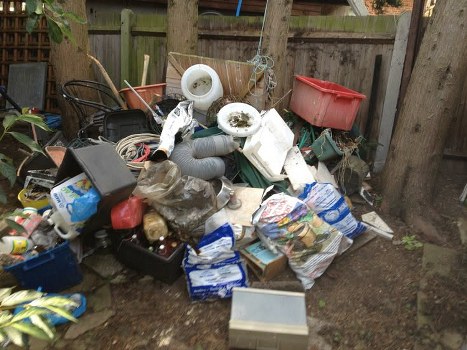
A house clearance usually follows a clear sequence so the property is handled in an orderly way. First, the contents are assessed and the agreed scope is checked against the rooms and items to be removed. Then the larger pieces are dealt with before the smaller contents, loose items and remaining waste. Finally, the cleared areas are checked so the property is left in the condition agreed for the job. The purpose is not simply to remove everything at speed, but to make sure the work has a sensible structure from start to finish.
Depending on the property, the work may involve several categories of item in a single visit. That could mean furniture in one room, stored belongings in another and loft or garage contents elsewhere. A structured approach helps keep those sections separate enough to manage efficiently. It also makes the clearance easier to oversee, especially where access is shared or where some contents must remain in place.
If you are ready to move forward, get in touch for a quotation. A short description of the rooms, the item types and the access conditions is usually enough to begin, and it gives us a sensible basis for arranging the work around your property.