Leatherhead High Street bulky rubbish collection guide
If you are trying to shift an old sofa, a broken wardrobe, a mattress that has seen better days, or a mixed pile of awkward household waste, a clear Leatherhead High Street bulky rubbish collection guide saves time, stress, and a lot of dragging things up and down the stairs. Truth be told, bulky waste is rarely just "one item". It tends to turn into a small project: checking access, working out what can be reused, deciding what needs special handling, and making sure nothing is left out on the pavement at the wrong time.
This guide is built for real life in and around Leatherhead High Street, where access can be tight, parking can be tricky, and nobody wants a skip that blocks the street or a pile of furniture sitting around for days. You will find a practical explanation of how bulky rubbish collection works, who it suits, what to prepare, common mistakes to avoid, and the smartest ways to keep the job simple. If you want broader household waste advice too, it can help to look at our house clearance services in Leatherhead and our local waste collection options for a fuller picture.
Let's make it straightforward. No jargon, no nonsense, just the sort of guidance you can actually use on a busy weekday morning when the hallway is full of flat-pack leftovers and you're wondering where to start.
Why Leatherhead High Street bulky rubbish collection guide Matters
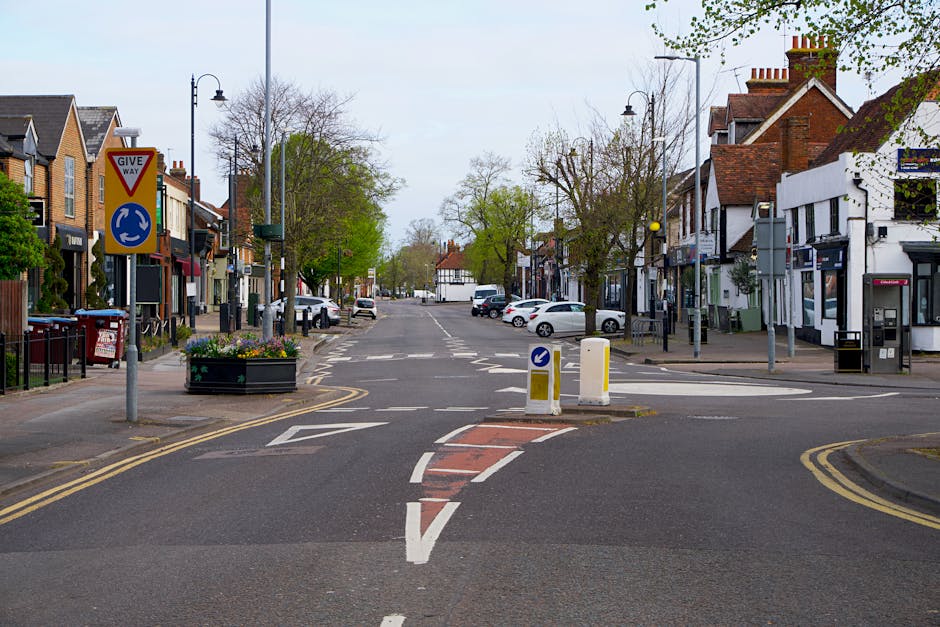
Bulky rubbish is one of those jobs that looks small until you are standing in front of it. A single armchair is manageable. Add a mattress, a dismantled desk, two broken drawers, and a pile of packaging, and suddenly you have an access problem, a lifting problem, and probably a time problem as well. That is why a local guide matters. Leatherhead High Street is busy, with the usual mix of pedestrians, shops, loading activity, and limited stopping space. A bulky waste plan that works in a suburban driveway can become a headache here very quickly.
For residents, landlords, letting agents, shop owners, and small businesses nearby, the key issue is not just removal. It is removal that happens neatly, legally, and without unnecessary disruption. A proper approach reduces the chance of items being left on the street, damaged while being moved, or dealt with by the wrong operator. In our experience, the smoothest collections are the ones planned with a little common sense: clear access, clear timings, and clear understanding of what is being taken.
There is also the environment side of it. Bulky items can often be reused, repaired, or recycled in part, rather than simply tipped. That matters if you want to reduce landfill and avoid paying for avoidable mistakes. A cracked wardrobe panel, for example, might not be glamorous, but it should still be handled responsibly. No one wants a pile of waste in the back alley feeling like it has become part of the scenery.
If you are comparing support services, our furniture disposal in Leatherhead page is useful for larger household items, while our office clearance services can help if the bulky waste is commercial rather than domestic.
How Leatherhead High Street bulky rubbish collection guide Works
At a practical level, bulky rubbish collection is the organised removal of large items that will not fit in normal bins. That usually includes things like sofas, beds, wardrobes, cabinets, tables, exercise equipment, white goods, and mixed household clutter. Depending on the provider and the type of waste, collection may be arranged as a one-off pick-up, a same-day or next-day service, or a scheduled clearance with labour included.
The process is usually simple, but each part matters. First, the items are assessed. Then the collector decides whether they can be removed as-is, whether they need dismantling, and whether any special handling is required. After that comes loading, transport, sorting, and disposal or recycling. The bit people sometimes underestimate is the sorting. Good operators do not just dump everything together. They separate reusable, recyclable, and non-recyclable material where possible.
That matters on a place like High Street because access is often the real challenge. A collection van may need to stop briefly in a controlled way, or the team may need to carry items from a flat, rear yard, or a shared entrance. If you are on an upper floor, or the stairwell is narrow, a bulky item that seems light enough in the living room can be a very different beast on the landing. A heavy sofa at 7:30 a.m. feels twice as heavy, somehow. Funny how that works.
If you want a broader service alongside bulky waste, our same-day rubbish removal in Leatherhead page explains how faster turnaround collections are typically arranged.
Key Benefits and Practical Advantages
The obvious benefit is simple: you get your space back. But the real value is bigger than that. A well-organised bulky rubbish collection gives you control over a job that can otherwise drag on for days. It clears the visual clutter, reduces trip hazards, and makes a room usable again. For a shop, it can open up stock space. For a rental property, it can help with turnaround between tenants. For a homeowner, it can stop an old sofa from becoming a permanent feature in the corner of the lounge.
Here are the main advantages people usually care about:
- Speed: bulky items are removed in one visit rather than broken into multiple trips.
- Convenience: you avoid lifting, loading, and hiring a vehicle yourself.
- Safer handling: less risk of injury from awkward or heavy items.
- Cleaner results: waste is taken away properly instead of lingering in the hallway, garden, or garage.
- Better space management: you can clear a room for decorating, moving, or renovation work.
- More responsible disposal: suitable items may be reused or recycled rather than simply binned.
There is also a quiet benefit that people appreciate after the fact: decision fatigue goes down. Instead of wondering for a week what to do with a broken bed frame, the job is handled. Done. You can move on to the rest of your day, which is usually enough on its own to justify the effort.
Who This Is For and When It Makes Sense
This kind of collection is useful for a lot of different people. It is not just for households doing a full clear-out. In fact, many calls are for smaller, everyday situations that just happen to involve one or two awkward items.
It makes sense if you are:
- moving home and need to clear items before handover
- renovating a room and replacing old furniture
- dealing with a tenant leave-behind or end-of-tenancy clear-up
- disposing of office furniture, shelving, or old equipment
- clearing a garage, loft, shed, or storage room
- upgrading appliances and need the old ones removed
- managing estate or probate clearances where bulky items are involved
It also makes sense when the job is too awkward for a normal bin collection. If a mattress is too large, a table is too heavy, or a cabinet cannot safely be broken down on your own, a professional collection becomes the practical route. To be fair, people often wait too long and let bulky items pile up. Then the pile becomes the problem, not the original item.
For landlords and managing agents, the attraction is often speed and predictability. For homeowners, it is usually about safety and convenience. For businesses, it can be about keeping the premises tidy and compliant without disrupting customers or staff.
Step-by-Step Guidance
If you want a smooth bulky rubbish collection, preparation is half the job. A bit of planning now saves a lot of awkward lifting later.
1. Identify exactly what needs to go
Walk through the property and make a list of the items. Be specific. "Old furniture" is vague. "Three-seater sofa, two bedside tables, dismantled wardrobe, broken desk chair" is better. If there are mixed materials, note them. That helps the collector understand the load and plan the right vehicle and crew.
2. Separate bulky waste from reusable items
If an item can be donated, sold, or reused, set it aside before the collection day. Not everything needs to become waste. A dining chair in decent condition may be suitable for reuse, while a damaged one belongs in the clearance pile. That small distinction can make the whole collection cleaner and more efficient.
3. Check access carefully
Measure doorways, stair turns, lifts, and narrow hallways if you suspect an item may be tight. On High Street, access can be the thing that slows everything down. If parking is restricted, tell the provider in advance. A collection team can plan better if they know they may need a short carry or a timed loading window.
4. Dismantle what you safely can
Flat-pack furniture, bed frames, and certain shelving units are often easier to remove once broken down. Only do this if it is safe and practical. There is no hero award for wrestling a stubborn Allen key at 9 p.m. with a sore back and a mug of tea going cold beside you. If dismantling is not realistic, leave it to the collection team.
5. Confirm what is and is not accepted
Some bulky collections handle a wide range of items, but not everything. Electricals, fridges, freezers, paints, chemicals, and certain hazardous materials can require separate handling. Ask before collection day so there are no surprises. It is much easier to clarify upfront than to stand in the doorway wondering why the old freezer is suddenly a special case.
6. Place items in the agreed location
Follow the provider's instructions carefully. For some collections, that may mean leaving items in an accessible front area. For others, the team may collect from inside the property. If the items are being taken from an upper floor, make sure the route is clear.
7. Get confirmation of removal
Once the job is complete, check that everything agreed has been taken. If you want a record, ask for confirmation or an itemised note. That is particularly sensible for landlords, agents, and businesses, where a paper trail can help later.
If you are dealing with a larger property or multiple rooms, our full house clearance service may be a better fit than a simple single-item pickup.
Expert Tips for Better Results
A few small habits make bulky rubbish collection much easier. None of them are dramatic. That is the point. The best jobs tend to be the ones where nothing has been left to chance.
- Book before the clutter becomes urgent. The moment an item is clearly on its last legs, start thinking about removal.
- Take quick photos. A couple of pictures help the provider understand size, volume, and access.
- Group items by room. This makes loading faster and reduces the chance of something being missed.
- Keep the route clear. Move rugs, plant pots, shoes, and loose boxes out of the way.
- Ask about recycling and reuse. A good provider should be able to explain what happens to the load in broad terms.
- Keep pets and children out of the area. It sounds obvious, yet it is easily forgotten on a busy morning.
A useful rule of thumb: the easier you make the access, the more efficient the collection will usually be. That can affect price, timing, and whether the job is completed in one visit. And if you are clearing a property near the centre of Leatherhead, timing matters even more because traffic, parking, and passing footfall can all complicate a simple lift.
If you are not sure how much to remove at once, it can help to combine bulky waste with a broader same-day waste clearance booking so everything goes in one go rather than dragging it out.
Common Mistakes to Avoid
The same problems come up again and again, and they are usually avoidable. Most are not serious on their own, but together they can turn a tidy collection into a messy day.
- Leaving booking details too vague. "A few bits" is not enough. The provider needs a rough picture of the load.
- Forgetting access constraints. Narrow stairs, controlled parking, and shared entrances can all affect the plan.
- Mixing permitted and restricted items. One prohibited item can change the entire collection setup.
- Trying to move dangerous items alone. Heavy glass, broken frames, or white goods can be hazardous.
- Assuming everything can be left on the street. That is not always acceptable and can create enforcement issues.
- Not checking whether dismantling is included. Some services collect items as-is, while others can help break them down.
There is also the classic mistake of underestimating volume. A single sofa sounds simple. Then you remember the sideboard, the mattress, the broken dining set, and the pile of old under-stairs junk. Before long, it is not a sofa problem. It is a clearance problem.
Tools, Resources and Recommendations
You do not need specialist equipment for every collection, but a few basic tools can make the job cleaner and safer if you are preparing items yourself.
| Tool or resource | Why it helps | Best used for |
|---|---|---|
| Work gloves | Improves grip and helps protect hands from splinters, staples, and sharp edges | Moving furniture, cardboard, and mixed junk |
| Measuring tape | Checks whether large items will fit through doorways and stair turns | Wardrobes, beds, desks, cabinets |
| Basic screwdriver or Allen key set | Helps dismantle flat-pack furniture safely | Beds, shelves, desks, tables |
| Dust sheets or old blankets | Protects floors and walls during removal | Interior collections, stairwells, hallways |
| Clear labels or tape | Helps separate items for removal, reuse, or recycling | Mixed clear-outs and multi-room jobs |
Useful resources also include a simple photo album on your phone showing the items, a rough note of dimensions for larger furniture, and a checklist of what must go. If you are organising removal for a property you manage, a shared folder or message thread can save time. A little admin, yes, but worth it.
For waste that includes renovation debris rather than just furniture, our builders waste removal in Leatherhead page is a sensible next stop. If you are clearing mixed junk after a move, our general rubbish removal service may be the simpler route.
Law, Compliance, Standards, or Best Practice
Bulky waste removal in the UK should always be handled responsibly. While this guide is not legal advice, there are some common best-practice points worth keeping in mind.
First, waste should go through a legitimate carrier or collection service that handles disposal properly. If you hand waste to an unlicensed operator and it later ends up fly-tipped, that can become a real headache. It is one of those situations where "cheap" can turn expensive very quickly.
Second, certain items need special treatment. Electrical equipment, fridges, freezers, and anything containing hazardous substances should not simply be mixed in without checking. Different items can have different handling requirements, and a reputable provider will explain what can be taken and what needs separate arrangement.
Third, if items are left outside on public land, you should check the rules that apply to the property and collection method. On a busy street, items left too early can obstruct pedestrians or attract attention you do not want. For businesses, there may also be expectations around keeping frontage and loading areas clear.
Good practice is simple: be honest about the waste type, ask questions where needed, and use a provider that can explain the process clearly. If the answer feels vague, that is usually a sign to ask again. Or walk away. Either works.
For formal property clearances, our probate clearance support page may help when sensitive contents and documentation matter.
Options, Methods, or Comparison Table
There are several ways to deal with bulky rubbish, and the best choice depends on what you are removing, how quickly it needs to go, and how much lifting you want to avoid.
| Method | Best for | Pros | Watch-outs |
|---|---|---|---|
| Professional bulky waste collection | Single items or mixed bulky loads | Fast, convenient, less physical effort | Needs good access and clear item details |
| DIY van hire and disposal | People comfortable loading and unloading | Can work for simple loads if planned well | Time-consuming, physically demanding, fuel and site costs add up |
| Skip hire | Longer projects with ongoing waste | Useful for renovations and staged clear-outs | Can block space, needs permits in some cases, not ideal for quick one-offs |
| Council collection or civic amenity route | Smaller volumes or planned household disposal | Can suit certain domestic items | May have booking limits, item restrictions, or timing constraints |
For many people on or near Leatherhead High Street, professional collection is the most practical route because access and timing are often more important than the item itself. If you only have one small item and good transport, DIY might be fine. But once the load gets awkward, the balance changes fast.
Case Study or Real-World Example
A fairly typical example: a couple in a flat near Leatherhead High Street needed to clear out an old sofa, a chest of drawers, and a bed base before new flooring was fitted. On paper, it looked like a short job. In practice, the stairwell was narrow, the front door opened onto a busy walkway, and the sofa had to be turned at an angle that made everyone hold their breath for a moment. You know the sort of thing.
They photographed the items in advance, measured the doorway, and flagged the access issues before the collection day. That meant the crew arrived with the right plan, the items were moved without fuss, and the flat was cleared in one visit. The job was not glamorous, but it was neat, efficient, and finished before the flooring fitters arrived later that afternoon.
The useful lesson here is simple: small details matter. The more you know about the access, the easier the removal becomes. And if the load is bigger than expected, being upfront about that saves everyone time.
Practical Checklist
Use this quick checklist before collection day. It is a small thing, but it saves the kind of silly problems that derail an otherwise smooth job.
- List every bulky item clearly
- Check whether anything can be reused or donated
- Measure doorways, hallways, and stair turns if needed
- Confirm parking or loading access near the property
- Separate restricted items from normal bulky waste
- Clear the path from the item to the exit
- Protect floors and corners if items are being moved indoors
- Keep pets, children, and unnecessary clutter away from the route
- Take photos if the items are large or unusual
- Confirm the collection time and any special instructions
- Make sure someone is available if access needs to be granted
- Check the area after removal so nothing has been missed
If you tick those off, you are already ahead of most people. Seriously. Most of the stress comes from tiny details left to the last minute.
Conclusion
A good Leatherhead High Street bulky rubbish collection guide should do more than explain removal. It should help you make the right decision quickly, avoid awkward mistakes, and feel in control of the whole process. Whether you are clearing one awkward item or a full mixed load, the basics do not change: know what needs to go, check access, separate restricted items, and choose a collection method that suits the space and the timeframe.
For busy streets, flats, rental properties, and local businesses, the real win is not just getting waste removed. It is getting it removed cleanly, safely, and without the day turning into a lifting contest. A little planning goes a long way, and honestly, it makes life much easier.
Get a free quote today and see how much you can save.
Frequently Asked Questions
What counts as bulky rubbish?
Bulky rubbish usually means items that are too large for normal household bins, such as sofas, mattresses, wardrobes, tables, chairs, and similar large household goods. Some collections also take mixed household clutter, depending on the provider.
Can I leave bulky waste outside on Leatherhead High Street?
Only if the collection method specifically allows it and the placement does not cause an obstruction. On a busy street, it is usually best to follow the provider's instructions carefully rather than leaving items out early.
How do I prepare furniture for collection?
Clear the route, remove loose contents, and dismantle items only if it is safe to do so. Taking a few photos and checking measurements can help avoid surprises on the day.
Do I need to separate recyclable items?
It is helpful to separate anything that can be reused, recycled, or donated, but the provider may also sort items after collection. Ask how they handle mixed loads so you know what to expect.
Can bulky rubbish collection include electrical items?
Sometimes yes, but electrical items such as fridges, freezers, TVs, and other appliances may have different handling rules. Always confirm in advance rather than assuming they can go with normal furniture.
Is it better to hire a skip or book a collection?
It depends on the job. A skip can suit ongoing renovation work, while a bulky waste collection is often better for one-off items or mixed loads that need removing quickly without taking up street space.
What if my items are too heavy to move safely?
Do not force it. Heavy or awkward items are exactly where professional help makes sense. Safe handling is more important than trying to wrestle something down the stairs on your own.
How much notice should I give for a collection?
That depends on the provider and the size of the job, but giving as much notice as you can usually helps. If the job is urgent, ask about faster turnaround options.
Can landlords use bulky rubbish collection after a tenant moves out?
Yes. It is common for landlords and managing agents to arrange bulky item removal after check-out, especially when furniture, mattresses, or leftover household goods need clearing before new tenants move in.
What happens to the waste after collection?
That depends on the type of waste and the provider's process. Reusable items may be diverted for reuse, and recyclable materials should be separated where possible. It is reasonable to ask for a broad explanation of disposal practices.
Is bulky rubbish collection suitable for office clear-outs?
Yes, if the items are mainly furniture, desks, chairs, shelving, or similar large objects. For larger workplace moves, a dedicated office clearance service may be more efficient.
What is the biggest mistake people make?
Probably underestimating access and volume. A collection that looks small at first can become complicated very quickly if a doorway is tight, parking is awkward, or more items need removing than expected.
And if you are still deciding what kind of removal is right for your property, that is completely normal. Start with the items, check the access, and choose the simplest safe option. Usually, that is the best route by a fair margin.