Common problems with doorstep rubbish pickups in Leatherhead
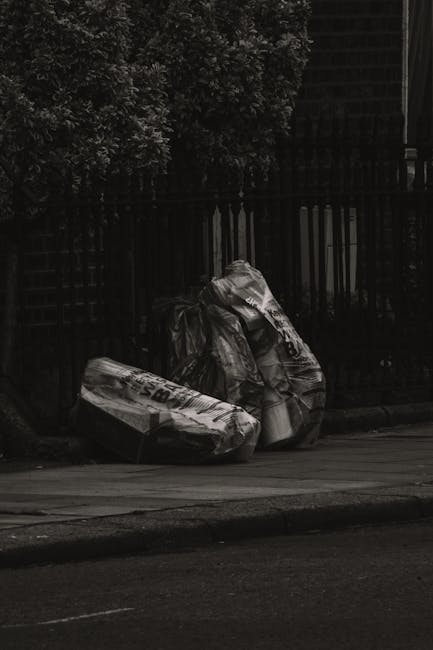
If you have ever booked a doorstep rubbish pickup in Leatherhead and then spent the day wondering whether the van would actually turn up, you are not alone. The service sounds simple enough: leave the waste outside, wait for collection, job done. In reality, the common problems with doorstep rubbish pickups in Leatherhead often show up in the small details - access, timing, sorting, pricing, and whether the waste is really suitable for kerbside collection in the first place.
This guide walks through the issues people run into most often, why they happen, and how to avoid the awkward parts before they become expensive or stressful. It is written for homeowners, landlords, tenants, businesses, and anyone who has looked at a pile of unwanted items and thought, "Surely this should be straightforward?" Truth be told, sometimes it is. Sometimes it really isn't.
- Why this matters in Leatherhead
- How doorstep rubbish pickups usually work
- Key benefits and practical advantages
- Who this is for
- Step-by-step guidance
- Expert tips for better results
- Common mistakes to avoid
- Tools, resources and recommendations
- Law, compliance and best practice
- Options and comparison table
- Case study or real-world example
- Practical checklist
- Conclusion
- Frequently asked questions
Why Common problems with doorstep rubbish pickups in Leatherhead Matters
Doorstep rubbish collection is popular because it saves time and avoids loading everything into a car. But the convenience can hide a few traps. In a town like Leatherhead, where homes vary from flats and terraces to houses with narrow drives, shared access, or tight parking, a collection that seems easy on paper can become awkward very quickly.
The biggest reason this matters is simple: rubbish removal is rarely just about "taking things away." It also involves access, sorting, lifting, disposal route, legal disposal standards, and clear communication. If any one of those parts goes wrong, the whole job can wobble. And once that happens, delays tend to snowball. A missed slot becomes a reschedule. A reschedule becomes clutter sitting out for another day. A damp sofa in the rain becomes a proper nuisance, especially on a grey Surrey morning.
For residents, the impact is practical. For landlords and letting agents, it can affect turnaround times between tenancies. For businesses, even a small delay can mean cluttered entrances, blocked staff areas, or a poor first impression. That is why understanding the common problems with doorstep rubbish pickups in Leatherhead is more useful than most people expect.
If you are planning a larger clear-out, it may also help to look at related services such as home clearance, house clearance, or waste removal when the waste is mixed, bulky, or awkward to move by hand.
How Common problems with doorstep rubbish pickups in Leatherhead Works
Most doorstep rubbish pickups follow the same basic pattern. You describe what needs removing, agree a time, place the waste where it can be collected, and the crew loads it for disposal or recycling. That sounds smooth enough. The friction usually starts before collection day.
Here is the typical flow:
- You list the items or send photos.
- The provider estimates the volume, weight, and labour involved.
- A collection window is set.
- You prepare the waste at the agreed point, usually outside or in an accessible area.
- The team arrives, checks the load, and removes what has been agreed.
- The waste is taken for sorting, reuse, recycling, or disposal.
The problems often appear where expectations and reality do not quite match. A customer thinks "doorstep pickup" means any waste left near the curb will do. The provider may mean a tidy, safe, accessible pile with no hazardous items, no surprise extras, and no heavy lifting through a narrow side gate. Not quite the same thing, is it?
In Leatherhead, where access can vary from road-facing properties to tucked-away homes, the pickup point matters a lot. A narrow lane, parked cars, shared entrances, or low-hanging branches can all affect whether a van can reach the waste efficiently. One of the most common causes of frustration is simply this: the collection location was never properly agreed in the first place.
Key Benefits and Practical Advantages
To be fair, when doorstep rubbish pickups go well, they are very useful. They reduce the physical strain of moving items yourself, save time, and help you clear unwanted clutter without turning the whole day into a logistics project.
The main benefits usually include:
- Convenience: You do not need to hire a vehicle or lift heavy items far.
- Speed: Small and medium jobs can often be cleared quickly.
- Less disruption: Waste is removed with less fuss than a full self-managed trip to a disposal site.
- Better sorting: A professional team can separate reusable, recyclable, and non-recyclable items more efficiently.
- Reduced lifting risk: Fewer chances of back strain, scrapes, or broken items being dragged through the house.
There is also a quieter benefit people overlook: peace of mind. When waste is collected properly, you are not left wondering where it will end up or whether it was handled sensibly. For many households, that matters just as much as the clean-up itself.
If sustainability is important to you, it can be worth reviewing a provider's approach to recycling and sustainability. That does not solve every pickup issue, but it does show whether the company thinks beyond the van load and into the disposal stage too.
Who This Is For and When It Makes Sense
Doorstep rubbish pickups are not for every situation. They work best when waste is already accessible, reasonably safe to move, and clearly described. In practice, they suit a lot of everyday scenarios.
This service makes sense if you are:
- clearing old furniture, bags of general waste, or mixed household clutter;
- getting rid of rubbish after a move, renovation, or tenant changeover;
- emptying a garage, loft, shed, or spare room;
- handling garden waste after a tidy-up;
- removing small office or business waste that has built up over time;
- dealing with bulky items that are awkward to fit in a normal car.
It is especially helpful if you want a quicker solution than waiting for multiple council collection cycles or making repeated trips yourself. If the items are mostly furniture, you may want to compare the load with furniture clearance or furniture disposal, depending on whether the pieces are reusable or simply at the end of their life.
But there are times when doorstep pickup is less suitable. If waste is scattered across several rooms, hidden in a loft, or blocked behind heavy furniture, a more comprehensive service may be easier. Likewise, if the job includes heavy construction debris, look at builders waste clearance instead of assuming a standard kerbside pickup will cover it.
Step-by-Step Guidance
If you want fewer surprises, a little preparation goes a long way. The process does not need to be complicated. It just needs to be clear.
1. Sort the waste before you book
Separate general rubbish, furniture, garden waste, electrical items, and anything that may need special handling. If you are not sure, take photos. A mixed pile is where misunderstandings start. A tidy pile is easier for everyone.
2. Check access honestly
Ask yourself: can a van stop nearby? Is there a narrow path? Are there steps, parked cars, or low walls? If a crew has to guess the access conditions, they may quote incorrectly or arrive unprepared. That is a classic headache.
3. Describe volume, not just item count
Two wardrobes and a sofa can sound simple until you realise they occupy far more space than expected. Volume matters. So does weight. A single dense item can be more awkward than a dozen light bags.
4. Confirm the collection point
Say exactly where the waste will be left: front drive, kerbside, side passage, communal entrance, or another agreed spot. This avoids the "I thought you meant the back gate" conversation. Nobody enjoys that one.
5. Understand what is excluded
Some items may be restricted or need separate handling. If your load includes hazardous or unusual materials, raise that before booking. A decent provider should tell you what they can and cannot take.
6. Ask how the waste will be handled
You do not need a lecture, just a straightforward explanation. Will the items be reused, recycled, or disposed of? If a company can explain this clearly, that is usually a good sign.
7. Keep the area clear on the day
Move cars, unlock gates, and make sure the waste is reachable. Even a small delay can become a bigger one if the crew cannot get close enough to load safely.
Expert Tips for Better Results
After handling enough clearances, a pattern becomes obvious: the best jobs are usually the ones that are prepared with boring, careful detail. Boring is good here. Boring saves money.
Try these practical tips:
- Send photos from multiple angles. One close-up and one wide shot usually tell a clearer story than a long written description.
- Keep the pile compact. Tidy stacks reduce confusion and can make the pickup faster.
- Label anything unusual. If there is a broken appliance, sharp metal, or a heavy item, say so.
- Protect shared spaces. In flats or communal properties, make sure neighbours are not blocked or tripped up by the staging area.
- Ask about insurance and safety. A responsible provider should be able to explain how they manage lifting, access, and property protection. You can also review insurance and safety and the company's health and safety policy if those pages are available.
One small but useful habit: photograph the area before and after collection. It is not about being suspicious. It is just a neat record if there is ever confusion. A few pictures on your phone can save a surprising amount of back-and-forth later.
Also, do not be shy about asking for a written quote or written confirmation. A short message with the agreed items, location, and timing is often enough.
Common Mistakes to Avoid
This is where most preventable issues come from. Not from bad luck - from assumptions.
- Leaving out key details. If the provider does not know there are stairs, a locked gate, or limited parking, expect friction.
- Mixing extra waste into the pile after quoting. That can change the load and the price.
- Assuming all waste is the same. Garden clippings, furniture, builders' rubble, and office waste are handled differently.
- Putting items out too early. In bad weather, waste can become heavier, dirtier, or simply more awkward to manage.
- Choosing purely on the cheapest price. The lowest quote can be fine, but if it is missing labour, disposal, or access assumptions, it may not stay cheap for long.
- Not checking the collection method. Some companies remove waste from the doorstep only. Others will collect from inside if agreed. Know which one you are getting.
A lot of people also forget the legal and practical limits around certain materials. That is an easy mistake to make. The issue is not always visible until collection day, which is exactly when nobody wants a surprise.
Tools, Resources and Recommendations
You do not need special equipment for most pickups, but a few simple tools make the process easier:
- strong bin bags or rubble sacks for loose rubbish;
- gloves for sorting sharp or dirty items;
- tape or string for keeping loose furniture parts together;
- a phone camera for photos and confirmation;
- a tape measure if you are unsure about bulky items;
- a notepad or notes app for listing what is going out.
From a planning point of view, these pages may also help you shape the job more accurately: pricing and quotes if you want a clearer idea of what is included, and about us if you want to understand the company's background and approach before booking.
If you are arranging a clear-out for a flat, garage, loft, or garden, it is often worth using the service that best matches the waste type. A quick example: a cluttered loft with old books, boxes, and broken furniture is not quite the same as a pile of hedge trimmings after a weekend tidy-up. Different jobs, different handling.
Law, Compliance, Standards, or Best Practice
Without turning this into a legal lecture, there are a few sensible principles to keep in mind. Waste should be handled responsibly, and the business collecting it should be clear about where it goes and how it is processed. In the UK, responsible waste carriers are expected to operate in line with the relevant rules and environmental duties that apply to their work. For the customer, the practical takeaway is simpler: choose a service that is open, traceable, and careful about disposal.
Best practice usually includes:
- clear descriptions of what is being collected;
- safe loading and access planning;
- separation of reusable and recyclable items where possible;
- appropriate handling of restricted or hazardous materials;
- transparent pricing and terms;
- respect for property, neighbours, and public access areas.
It is also wise to check the provider's policies on payments, cancellations, and complaints. Pages such as terms and conditions, payment and security, and complaints procedure can tell you a lot about how a company works when things do not go perfectly. And let's face it, things do not always go perfectly.
Options, Methods, or Comparison Table
Different waste removal methods suit different situations. Here is a simple comparison to help you decide what fits best.
| Method | Best for | Main drawback | Typical user experience |
|---|---|---|---|
| Doorstep rubbish pickup | Accessible, pre-sorted waste with easy external access | Less suitable for hidden, heavy, or complex loads | Fast and convenient when the waste is ready to go |
| Full home clearance | Rooms, lofts, garages, and mixed household clearances | More planning required | Better for larger or less accessible jobs |
| Furniture disposal | Bulky items that no longer have reuse value | Can be awkward if items are large or dismantling is needed | Good for one-off bulky removals |
| Garden clearance | Cuttings, soil, branches, and outdoor waste | Heavy or wet waste can increase handling time | Works well after seasonal tidy-ups |
| Builders waste clearance | DIY debris, rubble, and renovation leftovers | May need more careful sorting and loading | Best when the waste is construction-related |
If you are unsure which route fits your situation, it often comes down to access and waste type. A doorstep pickup is great when the waste is already staged and obvious. If not, a broader clearance service may actually be simpler.
Case Study or Real-World Example
Here is a realistic example from a typical Leatherhead-style property, though the names and details are intentionally kept general.
A family clearing a small semi-detached house had four black bags, an old sofa, a broken coffee table, and a pile of miscellaneous items from the hallway cupboard. They thought a doorstep pickup would take ten minutes. The first issue was access: the front path was narrow, the car was parked half on the drive, and the sofa had to be angled carefully to get outside. The second issue was description: the "miscellaneous items" turned out to include a heavy printer and a couple of metal parts that had not been mentioned when the quote was requested.
The result? A bit of delay, a revised price, and more effort than expected. Nothing dramatic. Just the kind of small miscommunication that makes a simple job feel bigger.
If they had sent a few clear photos, moved the car beforehand, and separated the heavy items from the lighter waste, the pickup would likely have been smoother. It is a small story, but it captures the whole point of this article: most problems are not mysterious. They are usually practical.
Practical Checklist
Use this checklist before your pickup day:
- Have I listed everything that needs removing?
- Have I sent clear photos from more than one angle?
- Have I explained access, parking, gates, and steps?
- Have I separated furniture, general waste, garden waste, and special items?
- Have I confirmed the exact collection point?
- Do I know what the quote includes?
- Have I checked any excluded items or special handling needs?
- Is the area clear for loading?
- Have I reviewed the company's terms and payment details?
- Do I know who to contact if something changes on the day?
That is the simple version. Honestly, it covers most of the headaches people run into.
Conclusion
Common problems with doorstep rubbish pickups in Leatherhead usually come down to access, unclear descriptions, mixed waste, and assumptions about what the service includes. Once you understand those weak spots, the whole process becomes much easier to manage. You do not need to overcomplicate it. Just be specific, check access, prepare the waste properly, and choose the right service for the job.
For small, tidy, accessible loads, doorstep pickup can be an excellent option. For larger or more awkward clearances, a fuller service may save time and reduce stress. Either way, the key is the same: clear communication before collection day.
Get a free quote today and see how much you can save.
And if all you need is a bit of clutter gone and a bit of breathing room back in the house, that is a pretty good place to start.
Frequently Asked Questions
What are the most common problems with doorstep rubbish pickups in Leatherhead?
The most common issues are poor access, unclear waste descriptions, mixed item types, last-minute extra items, and confusion about where the waste should be left. Most of these are avoidable with good communication.
Why do doorstep rubbish pickups get delayed?
Delays usually happen when the crew cannot access the waste safely, the items were not described accurately, or the collection point was not agreed clearly. Sometimes parked cars or narrow access are the real culprits.
Can I leave rubbish outside the night before collection?
Sometimes, but it depends on the arrangement and local conditions. Leaving waste out too early can create issues with weather, obstruction, or fly-tipping risk. It is better to confirm the timing first.
Do doorstep pickups take bulky furniture?
Often yes, but it depends on the item, the access, and whether the furniture is safe to move from the agreed spot. Large or awkward pieces may need additional handling or a different service.
What should I do before the rubbish collectors arrive?
Sort the waste, clear access, move cars if needed, and make sure the collection point is obvious. If you can, send photos and confirm any special items beforehand.
Are garden waste and builders waste handled the same way?
No, they are usually treated differently. Garden waste is often lighter and more organic, while builders waste can include rubble, timber, and heavier material. It is best to describe the load accurately.
How can I avoid hidden charges?
Be upfront about volume, access, and item type. Ask what the quote includes, whether there are loading or disposal fees, and whether any items are excluded. Clear quotes are usually the safest quotes.
Is doorstep rubbish pickup suitable for flats in Leatherhead?
It can be, but access is often the deciding factor. Shared entrances, stairs, and parking limitations can affect how the collection is done. For flats, a more tailored service may sometimes be better.
What happens if I add more rubbish on the day?
The price or timing may need to change if extra waste is added. A small addition might be fine, but it is always best to tell the provider before collection day. Surprises are not great for anyone.
How do I know if a waste company is trustworthy?
Look for clear terms, transparent pricing, sensible communication, and proper policies around safety, payment, and complaints. A trustworthy company should explain what it can collect and how it handles waste.
Can doorstep rubbish pickups help with loft or garage clearances?
Only if the items are already brought out and ready to collect. If the waste is still inside a loft or garage, a fuller clearance service may be more practical. That is often the cleaner, less stressful option.
What is the best way to prepare for a rubbish pickup in Leatherhead?
Describe the waste honestly, prepare access carefully, separate different waste types, and confirm the collection point. A few minutes of preparation can save a lot of back-and-forth later.