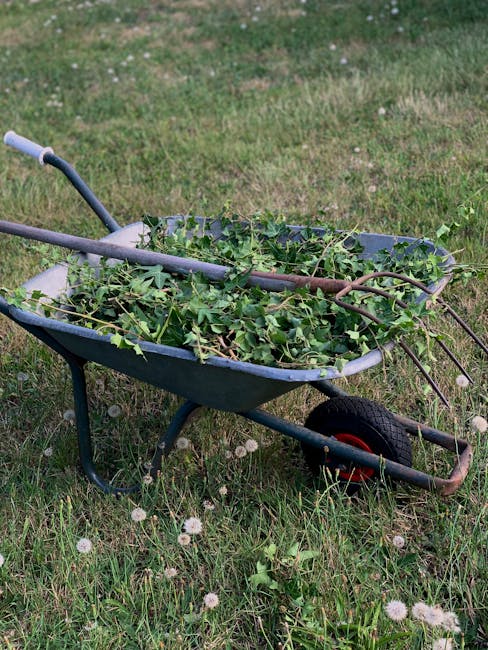
Norbury Park garden waste removal Leatherhead: a practical guide for clearing outdoor waste the right way
If your garden in or around Norbury Park has got ahead of you a bit, you are not alone. A weekend of pruning, a hedge trim that turned into a bigger job, or a proper clear-out after wet weather can leave you with far more green waste than a normal bin can handle. That is where Norbury Park garden waste removal Leatherhead becomes useful: a straightforward way to clear cuttings, branches, leaves, soil-contaminated plant material and other garden debris without turning your drive, patio, or garage into a temporary dumping ground.
This guide explains how garden waste removal works locally, what to look for, when it makes sense, and how to avoid common mistakes. It also covers practical planning, compliance considerations, and the sort of details people often wish they had known before booking. If you want a cleaner garden without the faff, you are in the right place.
Table of Contents
- Why Norbury Park garden waste removal Leatherhead Matters
- How Norbury Park garden waste removal Leatherhead Works
- Key Benefits and Practical Advantages
- Who This Is For and When It Makes Sense
- Step-by-Step Guidance
- Expert Tips for Better Results
- Common Mistakes to Avoid
- Tools, Resources and Recommendations
- Law, Compliance, Standards, or Best Practice
- Options, Methods, or Comparison Table
- Case Study or Real-World Example
- Practical Checklist
- Conclusion
- Frequently Asked Questions
Why Norbury Park garden waste removal Leatherhead Matters
Garden waste sounds harmless enough. A few branches here, a pile of grass cuttings there. Then, somehow, it turns into a small mountain. The thing is, garden waste has a habit of taking over fast, especially after a proper tidy-up, a hedge reduction, or the first big trim of spring. In a place like Leatherhead, where gardens can range from compact front plots to larger leafy spaces near Norbury Park, getting rid of that waste quickly can make a real difference to how usable your outdoor space feels.
There is also a practical side. Piles of organic waste can block access, attract pests, get soggy in the rain, and make a garden look untidy even after you have done the hard work. On a damp Tuesday morning, that heap of wet clippings does not smell great either. Let's face it, nobody wants to spend a second weekend wrestling with bags and branches after already spending Saturday doing the cutting.
Proper removal matters because it helps you finish the job cleanly. Instead of waiting for a council collection slot, trying to cram cuttings into garden bags, or making repeated trips to a local site, a removal service can clear everything in one go. That saves time and, often, a fair amount of stress.
It also matters for the garden itself. Clearing waste promptly helps plants breathe, makes paths safer, and keeps borders easier to manage. If you are planning follow-up work like replanting, turfing, or landscaping, a tidy site is much easier to work with. In our experience, the difference between "managed" and "messy" is often just whether the waste gets dealt with at the end of the day.
For broader outdoor projects, it can help to think of garden waste removal as part of a bigger service chain. If your job is more than a simple tidy-up, you may also want to look at related support such as house clearance services for mixed property clean-outs, or builders waste removal if your outdoor work includes hard landscaping, broken paving, or rubble.
How Norbury Park garden waste removal Leatherhead Works
Most garden waste removal jobs follow a simple pattern, though the exact process depends on how much waste you have and how mixed it is. The basic idea is this: you gather the waste, a team assesses the volume, loads it safely, and transports it away for responsible processing. Straightforward, but the details matter.
Here is how it usually works in practice:
- You describe the job. This might be a quick hedge trim, a full garden clearance, or a mixed load of green waste and old garden materials.
- The removal team estimates the load. That could be based on photos, a site visit, or a rough description of the pile size.
- Access is checked. Narrow paths, steps, gravel, side gates, and parking all affect how quickly the job can be done.
- The waste is loaded. This usually includes branches, leaves, grass, weeds, shrubs, and other organic garden material. Mixed waste may be handled separately.
- Everything is taken away. The waste is then moved for sorting, recycling, composting, or disposal depending on its type.
For most domestic customers, the process is far less disruptive than hiring a skip. You do not need to find space for a skip on the road, and you do not have to spend a full afternoon filling it yourself. That said, if your project spans several days, a skip may still suit you better. It really depends on volume, access, and how hands-on you want to be.
One useful distinction is between garden waste removal and garden clearance. Removal usually means you have already done the cutting and need the waste taken away. Clearance is broader and can include cutting back, clearing beds, removing overgrowth, and tidying the area itself. If you are not sure which one fits, that is worth clarifying early. Saves awkward surprises later.
If your outdoor project is part of a wider property refresh, you might also find it helpful to look at junk removal service for non-garden items, or furniture disposal if you are clearing old items from sheds, conservatories, or garden rooms at the same time.
Key Benefits and Practical Advantages
There are several reasons people choose professional garden waste removal in and around Leatherhead, and they go beyond simple convenience.
1. It saves time
Bagging, loading, and transporting garden waste takes longer than people expect. A small pile can become a full car boot once it is broken down, and repeated trips are tiring. A removal service compresses that job into one visit.
2. It reduces physical strain
Branches, damp sacks, thorny clippings, and awkwardly shaped cuttings can be hard work to move. If you have a large garden, back issues, or simply do not fancy hauling heavy bags down a narrow side passage, outsourcing the removal is a sensible call.
3. It helps you finish the job properly
A garden often looks half-done when the waste is still sitting there. Clearing it away gives you the satisfying sense that the work is actually finished. That matters more than people think. A neat space changes how you feel about using it.
4. It supports a cleaner, safer outdoor space
Piled-up waste can hide trip hazards, make damp areas worse, and encourage pests or mould. Prompt removal keeps access routes clear and reduces clutter around steps, patios, and sheds.
5. It can be more practical than a skip for lighter loads
If your waste is mostly green and reasonably contained, a dedicated removal visit may be easier than hiring a skip. No permit worries, no waiting around for filling it, no half-empty skip sitting outside for days.
Expert summary: If the job is mainly cuttings, branches, and green debris, and you want quick, tidy removal with minimal disruption, a local waste collection solution is often the most efficient route. If the work is bigger or mixed with heavy materials, it is worth comparing options carefully rather than assuming one method fits all.
Who This Is For and When It Makes Sense
This service is not just for people with huge gardens. Truth be told, some of the most common calls come from households with modest outdoor spaces that have simply been neglected for a season or two. A garden does not need to be sprawling to create a surprising amount of waste.
It makes sense if you are:
- doing a seasonal clear-up after spring growth or autumn leaf fall
- cutting back hedges, shrubs, or brambles
- preparing a property for sale or rental photos
- clearing up after storm damage or windblown debris
- refreshing borders before planting
- dealing with waste from a landscaping or gardening project
- working around limited time, parking, or access
It is also useful for landlords, letting agents, and homeowners managing a property between tenants. A messy back garden can make a place feel tired before anyone has even stepped inside. A quick clearance changes the tone immediately.
There is a point where the job stops being "just a few clippings" and becomes a real workload. If you have to ask yourself whether the boot of the car will take it, or whether the heap needs more than one trip, that is usually your clue. And yes, people do underestimate it. Very often.
If you are balancing waste removal with wider property work, a service such as office clearance may be relevant for workspaces or outbuildings, while garage clearance can help if the garden project has led to a shed or storage area tidy-up too.
Step-by-Step Guidance
If you want the smoothest possible experience, a bit of prep goes a long way. Nothing complicated. Just a few sensible steps before the removal team arrives.
Step 1: Separate what is green waste from what is not
Keep plant material separate from items like pots, broken tools, fencing offcuts, soil bags, and general household rubbish. Mixed loads can still be handled, but they often need more sorting and may be priced differently.
Step 2: Reduce the bulk where possible
Long branches take up a lot of space. If you can cut them down to manageable lengths safely, you will usually make loading quicker and easier. This is not always essential, but it helps.
Step 3: Clear access routes
Move bikes, plant pots, ornaments, and anything fragile out of the way. Make sure gates open fully and paths are free from trip hazards. A clear route means faster removal and less chance of accidental damage. Simple, but it makes a big difference.
Step 4: Identify any awkward items
Large root balls, wet soil, thorny clippings, heavy planters, or bagged debris can all affect how the job is handled. Mention these in advance so the team arrives prepared.
Step 5: Decide what stays
It sounds obvious, but garden tidy-ups often uncover items you were not planning to throw away. Old compost bags, cracked pots, broken paving, and rusted trellis panels have a sneaky habit of blending into the background. Decide early what is going and what is being kept.
Step 6: Confirm loading and disposal details
Ask how the waste will be collected, what needs to be pre-sorted, and whether the provider handles recycling or composting routes for suitable material. You are not being fussy. You are being sensible.
Step 7: Walk through the finished area
Once the waste has gone, do a quick check for leftover debris, hidden clumps, or access points that still need sweeping. A five-minute sweep can make the whole garden feel properly finished.
Expert Tips for Better Results
A few small decisions can make garden waste removal easier, cleaner, and cheaper in practice. Not always, but often enough to be worth it.
- Sort as you go. If you are already cutting back a hedge or clearing beds, keep separate piles for green waste, woody waste, and mixed rubbish.
- Do the wet stuff first. Damp grass and soggy leaves get heavy fast. If the weather has been rough, tackle those sooner rather than later.
- Watch for hidden contaminants. Soil, stones, nails, and bits of plastic tucked into green waste can change how it is processed.
- Take photos before booking. A few clear images of the pile, access route, and any awkward corners can help with a more accurate estimate.
- Plan around weather. A dry afternoon can be easier for loading than a wet morning. Sounds obvious, but people forget it all the time.
- Ask about volume, not just bags. Garden waste is often priced or estimated by space taken rather than the number of sacks. That distinction matters.
Here is a small but useful tip from real-world experience: if you have a mixed garden project, finish the heaviest cutting first and leave the fine tidying for last. Otherwise, you end up walking across the same patch three times and the garden starts to look worse before it gets better. Bit annoying, honestly.
For larger outdoor clearances, especially those involving sheds, old furniture, or renovation remnants, you may also want to compare related services like loft clearance or rubbish collection if the project extends beyond the garden itself.
Common Mistakes to Avoid
Most problems with garden waste removal are avoidable. Usually they come down to poor preparation, unclear communication, or underestimating how much waste is involved.
Mixing everything together
Garden waste, general rubbish, and heavy materials are not the same thing. Mixing them can complicate removal and sometimes create extra handling time. Keep the load as clean as possible where you can.
Leaving access until the last minute
If the side gate is jammed, the driveway is blocked, or the pile is wedged behind planters and old furniture, the job becomes slower and more awkward. Clear a path in advance.
Assuming all green waste is handled identically
Some organic waste can be composted or recycled, but not everything is accepted in the same way. Soil contamination, invasive plants, or heavily mixed material may need different handling. Always ask.
Forgetting about hidden weight
A small pile of wet grass can be deceptively heavy. So can root balls and waterlogged leaves. It is one of those things people only learn after trying to move it themselves.
Not checking the scope
Are you booking removal only, or do you also need cutting, bagging, and loading? If you need more than transport, say so early. It avoids confusion and keeps expectations realistic.
Waiting too long after the cut
Freshly cut branches are easier to handle. Once they dry out, scatter, or get rained on, they can become more awkward to collect. It is a small thing, but timing helps.
Tools, Resources and Recommendations
You do not need much to prepare garden waste for removal, but the right basic tools can make the process far less messy.
| Tool or item | What it helps with | Practical note |
|---|---|---|
| Heavy-duty garden bags | Collecting clippings, leaves, and smaller cuttings | Useful for neat piles, but do not overfill them with wet waste |
| Pruning shears or loppers | Reducing branch size | Safe, controlled cutting makes loading easier |
| Tarpaulin or sheet | Keeping waste together | Handy for dragging material to a collection point |
| Wheelbarrow | Moving heavier loads | Especially useful if the garden has uneven ground |
| Gloves and sturdy footwear | Protecting hands and feet | Particularly important for thorny shrubs and damp surfaces |
In terms of recommendations, keep things simple. Clear the waste, protect access, and avoid mixing items unless you know they can be handled together. If the job is bigger than expected, ask for advice rather than improvising halfway through.
For readers managing a broader clean-up, related services such as bulk waste collection and residential rubbish removal can be useful to compare alongside garden waste options.
Law, Compliance, Standards, or Best Practice
Garden waste removal is not especially complicated from a compliance perspective, but there are still sensible standards to follow. In the UK, waste must be handled responsibly, and reputable providers should be able to explain how they collect, transport, and process it. You do not need a law degree for this. Just a bit of due care.
A few good practice points are worth keeping in mind:
- Use a responsible waste carrier. Anyone removing waste should be able to operate legally and manage disposal properly.
- Keep waste streams sensible. Green waste, general rubbish, and hazardous items should not be treated as one big mixed pile.
- Be careful with invasive or restricted plant material. Some plant waste needs special handling, so mention anything unusual early.
- Do not include hazardous items in garden waste. Paint tins, chemicals, gas canisters, batteries, asbestos, and similar materials need separate handling.
- Follow local access and parking rules. This matters around residential streets in Leatherhead just as it would anywhere else.
If your garden work involves larger clearances, hard landscaping waste, or unusual materials, it is always worth discussing the load in plain English before collection. That simple conversation prevents headaches later. Quietly, it is one of the best signs you are dealing with a professional outfit.
Options, Methods, or Comparison Table
Not every garden clean-up needs the same approach. The best method depends on volume, access, and how much effort you want to spend yourself. Here is a simple comparison that can help.
| Method | Best for | Pros | Trade-offs |
|---|---|---|---|
| Garden waste removal service | Quick clearance of green waste and cuttings | Fast, convenient, minimal lifting for you | Not ideal for long-term, multi-day self-loading jobs |
| Skip hire | Larger projects or ongoing garden work | Flexible over several days, good for mixed waste if arranged properly | Needs space and, in some cases, permit considerations |
| DIY disposal | Small amounts of light waste | Low direct cost if you already have transport | Time-consuming, physically tiring, multiple trips |
| Garden clearance plus removal | Overgrown or neglected spaces | Ideal for bigger resets and one-off clean-ups | Costs more than simple collection because it is more work |
If your pile is compact, leafy, and ready to go, dedicated removal is often the neatest option. If your garden project is stretching over several days, skip hire may fit better. There is no universal winner. Just the right tool for the job.
Case Study or Real-World Example
Here is a typical local scenario. A homeowner in Leatherhead has a front hedge cut back, a rear border cleared, and a small apple tree pruned after months of growth. At first glance, it looks like "a few bags." Then the branches are stacked, the leaves are raked out, and the damp material is moved into one corner by the shed. By late afternoon, the pile is bigger than expected and the wheelie bin is already full.
Rather than trying to chop everything down again or leave it sitting until the next collection, the homeowner books a removal service. The team arrives, confirms access through the side gate, and clears the waste in one visit. The garden feels suddenly larger. Cleaner too. You can hear the birds again, which sounds almost silly, but once the clutter goes, the space feels alive again.
The key lesson is simple: garden waste is often underestimated because it starts as scattered material. Once gathered, it occupies far more space than people expect. Planning for that reality saves a lot of frustration.
That is especially true if the work has been delayed through wet weather. A few rainy days can turn light clippings into a heavy, slippery job. Not ideal, but manageable if you prepare properly.
Practical Checklist
Use this quick checklist before your collection or removal visit:
- Separate green waste from general rubbish
- Trim long branches down to manageable sizes where safe
- Remove obstacles from access routes
- Check for heavy or awkward items such as roots or wet soil
- Keep thorny or sharp material clearly visible
- Take photos if you need a quote or estimate
- Confirm whether loading, sweeping, and disposal are included
- Ask how mixed waste will be handled
- Make sure pets and children are kept safely away during collection
- Do a final sweep after removal so the area is genuinely finished
Quick takeaway: The smoother the access and the cleaner the waste stream, the easier and usually more efficient the removal job will be. A little prep saves a lot of back-and-forth. Honestly, it's one of those things that pays off immediately.
Conclusion
Norbury Park garden waste removal Leatherhead is really about making outdoor work easier to complete properly. Whether you are clearing a few bags after a tidy-up or dealing with a much bigger heap after hedge cutting and pruning, the goal is the same: remove the waste cleanly, responsibly, and without turning your garden project into a second job.
The best results usually come from a simple plan. Separate the waste, protect access, be clear about what needs collecting, and choose the method that suits the size of the job. If you do that, the whole process becomes much less stressful. And the garden, once the clutter is gone, can breathe again.
If you are planning a local clear-out and want the job handled without hassle, it is worth exploring your options early and getting the details right from the start.
Get a free quote today and see how much you can save.
Sometimes the nicest part of a garden job is not the cutting or the digging. It is the moment the last bag disappears and you can finally step back, tea in hand, and enjoy the space properly.
Frequently Asked Questions
What counts as garden waste for removal?
Garden waste usually includes grass cuttings, leaves, branches, hedge trimmings, weeds, plants, small roots, and similar organic material. Mixed items such as pots, plastic bags, soil, and old fence panels may be treated separately depending on the provider.
Can I include soil in a garden waste collection?
Sometimes, but not always in the same load as green waste. Soil is heavy and often handled differently from plant material. If your pile includes a lot of soil, mention it in advance so it can be assessed properly.
Is garden waste removal better than hiring a skip?
It depends on the job. Garden waste removal is often better for quick clearances and smaller to medium-sized green waste loads. A skip can be more suitable if you are working over several days or have a wider mix of materials.
How do I prepare my garden before collection?
Group the waste together, keep access routes clear, separate green waste from general rubbish, and point out any heavy or awkward items. A few minutes of preparation can make the collection much smoother.
Do I need to bag the garden waste?
Not always. Some teams can load loose waste, while others prefer it bagged or bundled. Bagging can help keep things tidy, but it is not always necessary. Check the preferred method before your booking.
What happens to the waste after collection?
That depends on the type of waste and the process used by the provider. Green waste is often sorted for composting or other recycling routes where suitable. Mixed or contaminated waste may need different handling.
Can you remove waste from a narrow side passage or small garden?
Usually yes, provided there is workable access. Narrow paths, steps, low gates, and awkward corners can make collection slower, so it is helpful to mention these details beforehand.
How much waste is too much for a small domestic collection?
There is no fixed line. What matters is the volume, weight, and type of waste. A pile that looks modest can still be substantial once it is broken down. Photos are often the easiest way to judge.
Can I mix garden waste with household rubbish?
It is better not to mix them unless the provider confirms it is acceptable. Clean separation usually makes the process simpler and may avoid extra handling. Mixed waste is not a disaster, but it should be discussed first.
What if my garden waste includes thorny or sharp cuttings?
That is fairly common. Thorny branches, rose trimmings, and sharp stems should be mentioned so they can be handled safely. Good gloves and secure bundling help too.
Is garden waste removal suitable after landscaping work?
Yes, often it is. If the project has produced plant cuttings, turf, small roots, or light debris, a removal service can be a practical option. If the work also includes rubble, broken paving, or timber, you may need a broader waste solution.
What is the main mistake people make with garden waste removal?
The biggest mistake is underestimating volume. Once wet clippings, branches, and weeds are gathered together, the pile can be much larger than it first looked. A quick photo and honest description help avoid that surprise.